
When the Driver Who Hit You Simply Disappears
Key Takeaways: Yes, you may be able to get compensation after a hit-and-run in Sarasota, even if the driver is never found, because Florida’s no-fault system and your own insurance may still pay. Personal Injury Protection (PIP) usually pays first. It covers 80% of reasonable medical bills and 60% of lost income, up to a combined $10,000 limit, if you meet the emergency medical condition rule. It can come from your own policy or from the policy of a relative you live with, as long as a motor vehicle physically struck you. Optional uninsured motorist (UM) coverage may pay for larger losses like pain and suffering and future medical care. Many policies count hit-and-run vehicles as uninsured, though the exact wording matters. Florida’s two-year negligence deadline, policy notice rules, and comparative fault rules can all limit what you recover, so act quickly. Report the crash right away, get medical care within 14 days, keep evidence such as surveillance video, and talk with an experienced attorney early.
Picture yourself crossing a Sarasota street at dusk when a car hits you and speeds off before anyone sees the license plate. You wake up in the hospital facing medical bills, missed paychecks, and one big question: who pays when no one knows who hit you? In many cases, you may still recover compensation. Florida’s no-fault system and your own uninsured motorist (UM) coverage may pay when an unknown driver’s insurance cannot, though the details depend on your policy and the facts of your crash.
Greg Linehan and our team help injured pedestrians across Sarasota understand where their money may come from after a hit-and-run. If a driver who fled hit you or someone you love, reach out to Greg Linehan Law for a free case review. You can call us at 941-559-4529 or contact us now to talk directly with an attorney.
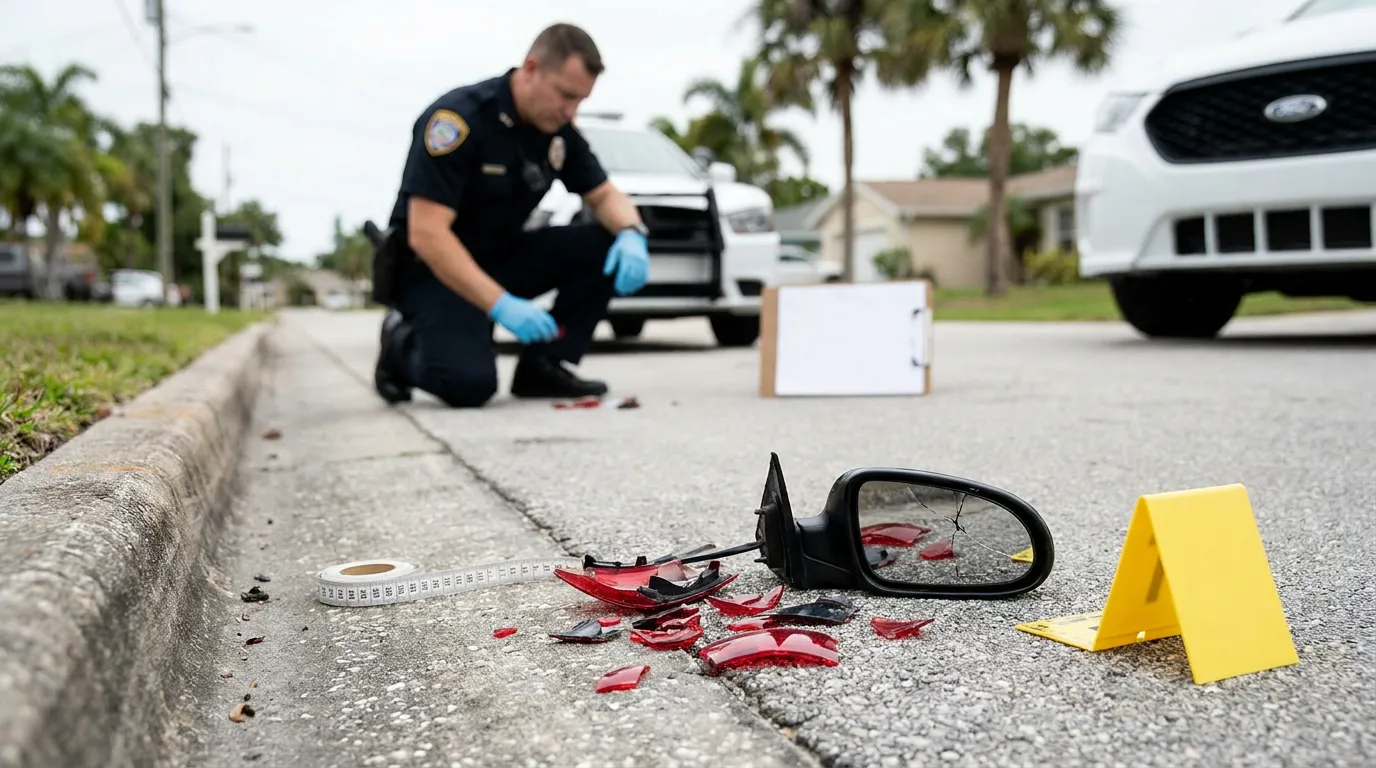
Why So Many Hit-and-Run Drivers Are Never Identified
Police never find many hit-and-run drivers, and that is often no fault of the victim or the officers. The AAA Foundation for Traffic Safety has studied how common hit-and-run crashes are and which factors are linked to them, including time of day, location, and driver impairment. Crashes at night, on poorly lit roads, or without witnesses often leave investigators with few leads.
Florida treats fleeing an injury crash as a serious crime. Under Fla. Stat. § 316.027(2)(a), a driver in a crash that injures someone must stop right away and stay until meeting the requirements of Fla. Stat. § 316.062, including giving reasonable help to the injured person. Willfully leaving is generally a third-degree felony, with higher penalties for serious bodily injury or death. Still, a criminal charge cannot help you if no one identifies the driver, which is why insurance options matter so much.
Your First Source of Recovery After a Hit and Run Pedestrian Accident
For most Florida pedestrians, the first money after a hit and run pedestrian accident comes from Personal Injury Protection (PIP) insurance. PIP is Florida’s no-fault coverage, and it generally pays whether or not anyone finds the driver. Under Fla. Stat. § 627.736(1), PIP provides up to $10,000 in combined benefits, including 80% of reasonable medical bills and 60% of lost income, plus a separate $5,000 death benefit. To get the full $10,000 in medical benefits, a qualified provider must find an emergency medical condition. Otherwise, medical benefits stop at $2,500. You must also get your first treatment within 14 days of the crash.
Using Your Own PIP Policy as a Pedestrian
If you own a vehicle that must be insured, your own insurer generally pays PIP for your injuries even if you were walking when you were hit. Under Fla. Stat. § 627.736(4)(e), a vehicle owner’s insurer must pay PIP for injuries the owner suffers in Florida while not riding in a self-propelled vehicle, as long as physical contact with a motor vehicle caused the injury. You can find this rule in Florida’s insurance code.
The same protection usually covers a relative who lives in your household and does not own a vehicle that must be insured. So if you don’t own a car, you may still have PIP through a parent, spouse, or other relative you live with. The "physical contact" rule matters, though. If you were hurt diving out of a car’s way without being touched, your PIP claim could face problems.
When PIP Is Not Available From the Striking Car
If you have no PIP of your own or through a household relative, Florida residents hit by a vehicle may generally claim PIP from that vehicle’s insurer. In a true hit-and-run, though, nobody knows which vehicle or insurer was involved, so that option is usually unavailable unless investigators later identify the car.
💡 Pro Tip: Report the crash to your own auto insurer, and to any household relative’s insurer, as soon as you can. Under Fla. Stat. § 627.7401(1)-(2), once an insurer learns of a claim, it must send you a notice of your PIP rights within 21 days.
How Uninsured Motorist Coverage Can Fill the Gap
PIP rarely covers the full cost of a serious pedestrian injury, so UM coverage is often the most important source of hit and run compensation. Florida insurers must offer UM coverage, but you can reject it in writing. When you have it, it may pay for losses PIP doesn’t cover, such as pain and suffering, future medical care, and lost earning ability. To recover for pain and suffering, you may need to meet certain injury thresholds. We explain this topic in more detail in our article on UM coverage for pedestrians.
Does a Phantom Driver Count as "Uninsured"?
Many readers search for "phantom driver Florida" coverage, and the answer usually depends on your policy language. Fla. Stat. § 627.727(3) treats certain insured vehicles as uninsured, for example when the liability insurer is insolvent or has denied coverage. These sections do not mention unknown or hit-and-run drivers. Many auto policies define "uninsured motor vehicle" to include hit-and-run vehicles, but the exact wording matters, and some policies set conditions such as prompt reporting or proof of contact.
UM Coverage Can Follow the Person
UM coverage generally protects you as a person, not only when you’re in an insured car. That means it may apply when a car hits you while you’re walking. Under Fla. Stat. § 627.727(8)(e), if your policy includes the optional "non-stacking" limit and you were hurt while not occupying a motor vehicle, you may select any one limit of uninsured motorist coverage for any one vehicle afforded by a policy under which you are insured as a named insured or as an insured resident of the named insured’s household. Under Fla. Stat. § 627.727(8)(a), you generally cannot add the limits of multiple vehicles together, except as otherwise provided. Policies without this limit may allow stacking, so review your policy.
Exclusions, Commercial Vehicles, and Other Complications
Several less obvious rules can affect a pedestrian injury claim after a hit-and-run. Insurers sometimes raise these issues to limit payment, so knowing them helps you protect your rights.
| Issue | What Florida Law Provides | Why It Matters to Pedestrians |
|---|---|---|
| Named driver exclusion | Fla. Stat. § 627.747 lets a policy exclude a listed driver from certain coverages, but it cannot exclude PIP for injuries the person suffers while not driving | An excluded driver hit while walking may keep PIP; check the policy for UM |
| Commercial vehicle later identified | Fla. Stat. § 627.7405(1) lets the PIP insurer seek repayment from the commercial vehicle’s owner or insurer | Opens another possible source of recovery |
| Physical contact | Fla. Stat. § 627.736(4)(e) requires contact with a motor vehicle | "Miss-and-run" claims may face hurdles |
If investigators later identify the fleeing vehicle, you may have more options. You may sue a driver who is found directly for negligence. If the vehicle turns out to be commercial, such as a delivery truck, more insurance may come into play.
Deadlines and Fault Rules That Can Affect Your Claim
Florida’s filing deadlines are strict, and missing one may bar your recovery entirely. For negligence claims arising on or after March 24, 2023, Florida cut the general deadline from four years to two years under Fla. Stat. § 95.11. You can read the full text of Florida’s limitation periods on the Florida Senate website. Courts often treat UM claims against your own insurer as contract claims, which may have a different deadline. Still, don’t assume you have more time. Policy notice rules are separate and may require you to act much sooner.
Florida’s comparative fault rules can also reduce what you recover. Under Fla. Stat. § 768.81, a plaintiff found more than 50% at fault generally cannot recover damages in most negligence cases. A plaintiff found 50% or less at fault generally has their recovery reduced by their share of fault. In UM cases, insurers sometimes argue the pedestrian was partly to blame, for example for crossing outside a crosswalk. Strong evidence of the driver’s negligence may help protect your claim.
Practical Steps to Protect Your Pedestrian Injury Claim
What you do in the days after a hit-and-run can shape the strength of your claim. Evidence about an unknown driver can disappear quickly, so act early.
- Call 911 and make sure police file a report
- Get medical care right away and follow your treatment plan
- Write down every detail you remember about the vehicle, including color, make, damage, and direction of travel
- Get names and contact information from any witnesses
- Ask nearby businesses to save surveillance video, since many systems record over footage within days
- Notify your own insurer and any household relative’s insurer promptly
An experienced attorney can also check traffic cameras and signal data along busy Sarasota roads. Working with a hit and run pedestrian accident lawyer early can help save evidence that might otherwise be lost. At our firm, you work directly with Greg Linehan and his legal assistant, not a rotating team.
Frequently Asked Questions
Sarasota pedestrians often ask us these questions after a hit-and-run. The answers below are general, and the outcome in any case depends on its facts.
1. Can I get compensation if police never find the driver?
In many cases, yes. PIP and UM coverage under your own policy or a household relative’s policy may pay even when police never identify the driver, subject to policy terms.
2. What if I don’t own a car?
You may still be covered. Under Fla. Stat. § 627.736(4)(e), if you don’t own a vehicle that must be insured, you may generally claim PIP under the policy of a relative you live with.
3. How long do I have to act after a hit and run pedestrian accident?
You must file many negligence claims within two years under Fla. Stat. § 95.11. Insurance policies may also set shorter notice rules, so act promptly.
4. Will my insurance rates go up if I file a UM claim?
That depends on your insurer and your policy. Florida law generally limits surcharges for crashes where you were not substantially at fault, but review your policy terms carefully.
Moving Forward After a Driver Leaves You Behind
A fleeing driver does not always leave you without options. PIP generally pays first, UM coverage may cover the larger losses, and other sources may open up if police later identify the vehicle. Acting early can make a real difference.
Greg Linehan has spent more than 26 years helping injured Floridians, and our firm has deep roots in the Sarasota community. Get your 100% free case review today from Greg Linehan Law. Call 941-559-4529 or schedule your free consultation. We work on a contingency fee basis, so you pay nothing unless we win.
This blog is for informational purposes only and does not constitute legal advice. Contact Greg Linehan Law to discuss your specific case.
Disclaimer: This content is for informational purposes only and is not legal advice. Every case is unique, and results may vary. Consult an attorney about your specific circumstances.