
When a Walk Turns Into a Crisis: Understanding Your Rights
Key Takeaways: After being hit by a car in Florida, prioritize emergency medical care, document the scene, notify your insurer, and consult an attorney before speaking with insurance adjusters. Florida’s no-fault system means your Personal Injury Protection (PIP) coverage typically pays initial medical costs regardless of fault, but prompt written notice is essential. Florida’s modified comparative negligence standard reduces your recovery by your share of fault, and being more than 50 percent at fault bars damages entirely. Following 2023 tort reform under HB 837, most pedestrian negligence claims must be filed within two years. Acting quickly protects fragile evidence like camera footage and vehicle data that can disappear within weeks.
Being struck by a vehicle while on foot can upend your life instantly, but the choices you make afterward can protect both your health and legal rights. If you’re wondering about essential steps after a pedestrian crash in Florida, the answer is: get medical care immediately, document the scene, notify your insurer, and speak with an attorney before dealing with insurance adjusters.
At Greg Linehan Law, we help injured pedestrians and their families pursue full recovery. Call us at 941-559-4529 or reach out through our contact page for a 100% free case review with a seasoned trial attorney.
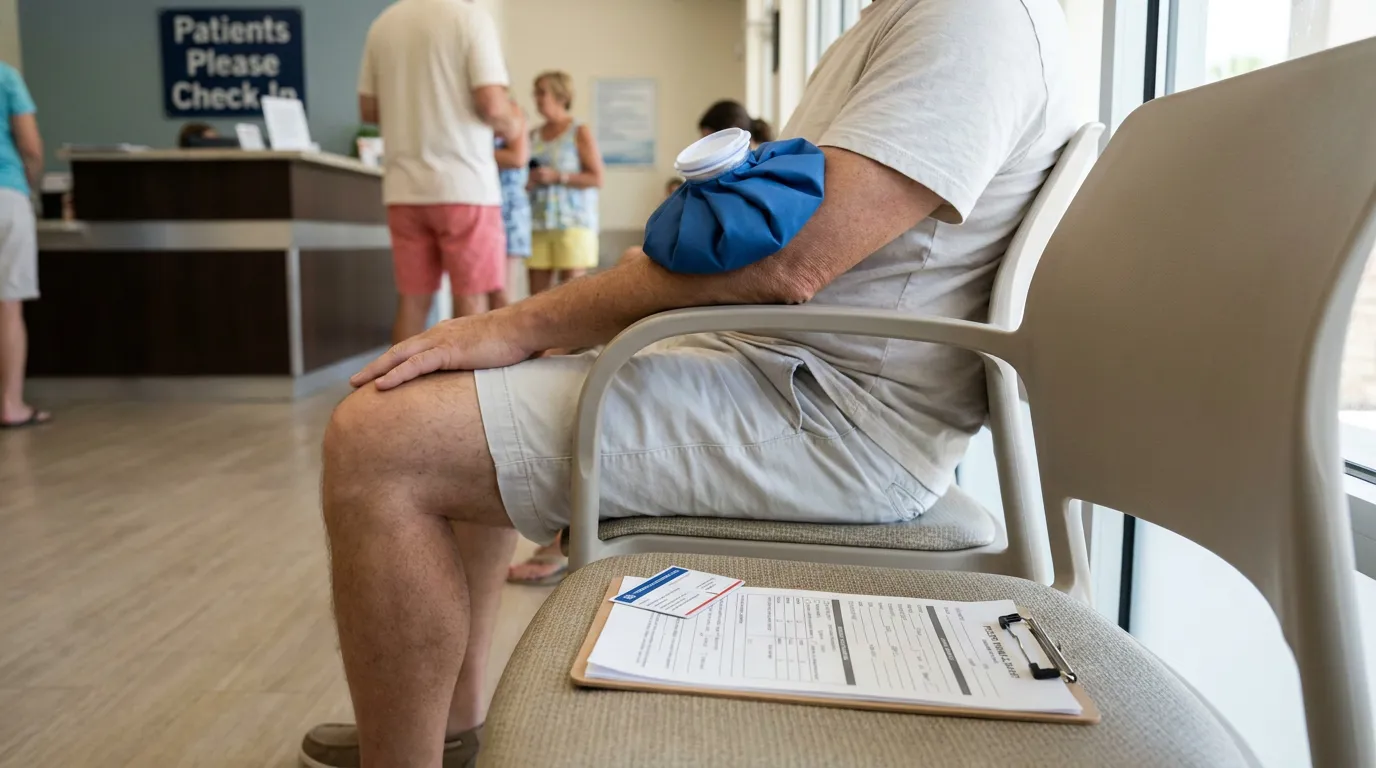
First Moves: Pedestrian Hit by Car What to Do in Florida
Knowing what to do after being hit by a car protects your safety and future claim simultaneously. In the chaos after a collision, adrenaline can mask serious injuries and important evidence can disappear quickly.
Get Medical Help and Document Everything
Your health comes first, so call 911 and accept emergency evaluation even if you feel able to walk away. Many serious conditions, including traumatic brain injuries and internal bleeding, may not show symptoms immediately. Prompt medical records create a documented link between the crash and your injuries, critical if an insurer later disputes causation. Follow through with recommended treatment and keep copies of every bill, prescription, and discharge instruction.
Preserve Evidence at the Scene
When safe, gather as much information as possible before it’s lost. Evidence vanishes fast, especially at busy Sarasota corridors where traffic quickly returns to normal. If you’re unable to collect this yourself, ask a bystander, family member, or responding officer for help.
- Photographs of the vehicle, license plate, roadway, traffic signals, and visible injuries
- Driver’s name, insurance information, and contact details
- Names and phone numbers of witnesses
- Location of nearby traffic or surveillance cameras
- Police crash report number
💡 Pro Tip: If the driver fled, still call police immediately and note the vehicle’s color, make, direction, and any partial plate. Hit-and-run cases often turn on small details captured in those first moments.
How Florida’s No-Fault System Handles Your Medical Bills
Florida is a no-fault state, which affects where an injured person turns first for medical coverage. Under Fla. Stat. § 627.736, every insured motor vehicle must carry Personal Injury Protection (PIP), which pays the insured’s own medical expenses regardless of who caused the crash. Pedestrians may access PIP benefits through their own auto policy or, in certain circumstances, another available policy.
Prompt reporting is essential to preserve these benefits. The statute provides that an insurer may require written notice as soon as practicable after a crash. Once notice is given, PIP benefits are generally overdue if not paid within 30 days. Reporting your losses quickly and in writing helps avoid unnecessary delays.
Cooperation with your insurer also matters. Under § 627.736, if a person unreasonably refuses to submit to or fails to appear at a requested medical examination, the PIP carrier may no longer be liable for subsequent benefits. Keeping careful records and attending scheduled examinations protects your continued eligibility. Because these requirements can be technical, it often helps to review your policy with an attorney before responding to insurer requests.
Comparative Fault and Your Right to Recover
Florida uses a comparative fault system, so multiple parties can share responsibility for a pedestrian crash. Under Florida’s comparative fault statute, Fla. Stat. § 768.81, a defendant’s liability is generally limited to their own degree of fault.
Being partially at fault doesn’t automatically end your claim, but recent changes raised the stakes. Under § 768.81(2), contributory fault reduces the damages award proportionally rather than barring recovery outright. However, Florida now applies a modified comparative negligence standard under § 768.81(6): a party found more than 50 percent at fault for their own harm may not recover any damages. This modified standard applies to most negligence claims, though certain actions, such as medical negligence, remain subject to pure comparative negligence. This threshold is why documenting the driver’s fault matters.
Some claims remain exceptions to the general rule. Joint and several liability can still apply to certain claims statutorily exempted from the comparative fault approach. Whether an exception applies depends on specific facts and requires careful legal analysis.
| Legal Concept | What It Generally Means for Pedestrians |
|---|---|
| PIP (§ 627.736) | Your own coverage may pay initial medical costs regardless of fault |
| Comparative fault (§ 768.81) | Your recovery may be reduced by your share of fault |
| 50% bar (§ 768.81(6)) | Being more than half at fault may bar damages |
| Two-year deadline (§ 95.11) | Most negligence suits must generally be filed within two years |
Deadlines That Can Make or Break Your Claim
Florida law sets firm time limits for filing a lawsuit, and missing them can permanently end your right to recover. Fla. Stat. § 95.11 establishes deadlines for personal injury and car crash lawsuits. Following 2023 tort reform under HB 837, the statute of limitations for general negligence claims, including pedestrian injuries, was reduced from four years to two years for causes of action accruing on or after March 24, 2023. Older claims generally retain the prior four-year deadline.
Limited Exceptions to the Two-Year Rule
Narrow provisions may pause or delay a filing deadline, but courts interpret them strictly. Under Fla. Stat. § 95.051, the limitations period may be tolled only in specific situations, such as when the defendant is absent from the state or uses a false name, or when the injured person is under legal disability. A negligence claim generally doesn’t accrue until its last element occurs, which can affect when the two-year clock begins. These exceptions are not automatic and depend heavily on specific facts. Civil filing deadlines are separate from government administrative claim deadlines, which apply when a government vehicle is involved and often carry shorter notice requirements.
💡 Pro Tip: Don’t wait to speak with an attorney just because your deadline seems far away. Evidence like camera footage and vehicle data can be lost within weeks, and early investigation often makes the difference in complex cases.
How Our Sarasota Team Helps Injured Pedestrians
Greg Linehan brings more than 26 years of experience to every pedestrian crash matter, offering a hands-on approach where clients work directly with the attorney. We understand dangerous corridors and intersections in our community, handling challenging matters including hit-and-run and uninsured or underinsured motorist claims, catastrophic-injury cases, and wrongful-death suits. Greg is deeply rooted in the community, serving as President of Suncoast Charities for Children, and has been recognized among 2025 Super Lawyers and by the Florida Justice Association.
Our team focuses on proving driver negligence and preserving evidence that supports your recovery. Whether your case involves a driver who fled or a complex intersection collision, we investigate thoroughly. If your injury happened at a rotary or circular intersection, our resource on pedestrian accidents in roundabouts explains how fault is analyzed. Connect with a dedicated Sarasota pedestrian accident attorney who understands local roadways.
Frequently Asked Questions
-
Do I need to report the crash to my own insurance company?
Yes, prompt notice is generally required. Under Fla. Stat. § 627.736, an insurer may require written notice as soon as practicable after a crash. Reporting quickly ensures PIP benefits are paid without unnecessary delay.
-
What if I was partly to blame for the pedestrian crash?
You may still recover reduced damages in many cases. Under Fla. Stat. § 768.81, your award is generally diminished by your percentage of fault, though a person found more than 50 percent at fault may be barred from recovering.
-
How long do I have to file a pedestrian injury lawsuit in Florida?
Most negligence claims are now subject to a two-year deadline. Under Fla. Stat. § 95.11, as amended by HB 837, causes of action accruing on or after March 24, 2023 generally must be filed within two years, while older claims may retain the prior four-year window. Limited exceptions exist but are interpreted narrowly.
-
What if the driver who hit me had no insurance or fled?
You may have options through uninsured or underinsured motorist coverage. Hit-and-run and uninsured driver cases can be complex, and early investigation to identify the driver or applicable coverage is critical to protecting your rights.
-
Does it cost anything to speak with your firm?
No, consultations are free. We handle pedestrian injury cases on a contingency fee basis, meaning no upfront costs and you generally pay nothing unless we recover for you.
Protecting Your Recovery Starts Today
Recovering from a pedestrian crash is difficult enough without facing insurance companies alone. Florida’s no-fault rules, comparative fault standards, and shortened filing deadlines all shape how much you may recover and how quickly you need to act. Understanding your injured pedestrian rights in Florida, preserving evidence, and meeting critical deadlines can protect your ability to pursue medical costs, lost wages, and pain and suffering.
If you were injured, let Greg Linehan Law review your situation and explain your options. Call 941-559-4529 or request your free consultation online to get your 100% free case review today.
This blog is for informational purposes only and does not constitute legal advice. Contact Greg Linehan Law to discuss your specific case.