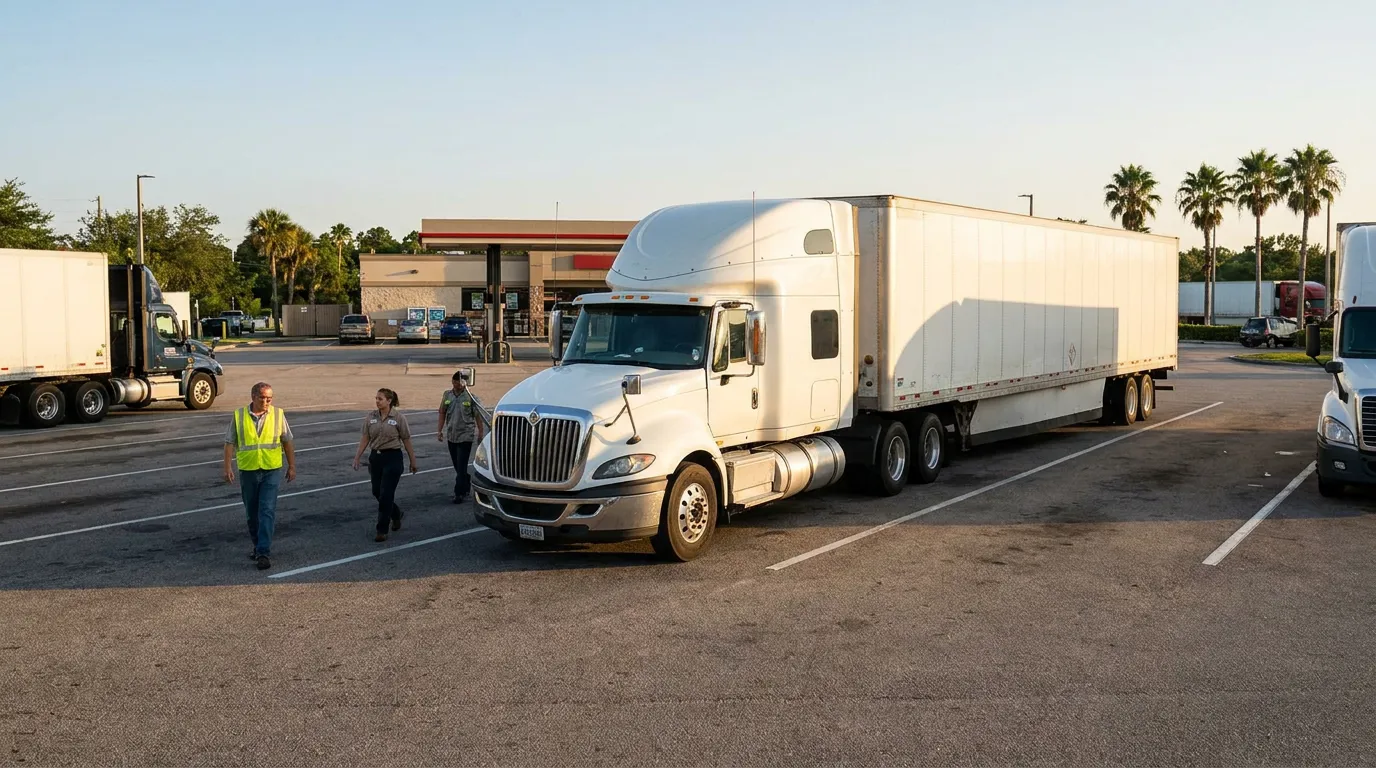
Understanding Who Pays After a Florida Semi-Truck Collision
Key Takeaways: After a Florida semi-truck crash, liability rarely rests with one person, as the truck driver, motor carrier, cargo loader, maintenance company, and parts manufacturers may all share responsibility. Identifying every at-fault party depends on preserving time-sensitive evidence like ELD data, driver logs, and black-box records. Under Florida’s comparative fault system (Fla. Stat. § 768.81), each party is responsible only for its percentage of fault, and a victim found more than 50 percent at fault since 2023 may recover nothing. Florida’s no-fault system requires injured people to turn first to their own PIP coverage, while serious injuries can open the door to a third-party liability claim. Strict deadlines apply, with most negligence and wrongful death claims accruing on or after March 24, 2023, limited to two years. Acting quickly and securing experienced representation gives injured Floridians the best chance to identify all responsible parties and pursue full compensation.
When a fully loaded 18-wheeler collides with a passenger vehicle on I-75 or US-41, the damage is rarely limited to one person or one cause. A semi-truck crash can involve the driver, the company that employed them, and several businesses you never see on the road. Under Florida law, multiple parties may share responsibility, and identifying each at-fault party in a truck accident in FL is often the difference between partial recovery and full compensation.
At Greg Linehan Law, we help injured Floridians and grieving families make sense of these complex cases. If you or a loved one was hurt in a semi-truck crash, reach Greg Linehan Law online, call 941-559-4529, or request your free case review to learn about your rights before critical evidence disappears.

The Many Parties Who May Share Liability
Truck crashes stand apart from ordinary car wrecks because responsibility often stretches well beyond the person behind the wheel. The negligence that caused a collision can be traced to decisions made by companies far from the crash site. Determining who is liable in a truck accident requires investigating each link in that chain.
Potentially responsible parties may include:
- The truck driver, for speeding, distraction, fatigue, or impaired driving
- The motor carrier or trucking company, for negligent hiring, inadequate training, or pressuring drivers to violate safety rules
- The cargo loader or shipper, for improperly secured or overweight loads that cause jackknife or rollover crashes
- A maintenance or repair company, for failing to service brakes, tires, or steering components
- A parts manufacturer, when a defective component contributes to the collision
Establishing negligence frequently depends on preserving time-sensitive evidence. Electronic logging device data, driver logs, black-box readouts, and cargo records can vanish quickly after a crash. Because federal safety rules govern carrier conduct, understanding how federal trucking regulations interact with state negligence law is an important part of building a strong case.
💡 Pro Tip: Send a written evidence-preservation (spoliation) letter to the trucking company as soon as possible to prevent routine deletion of logs and telematics data that may prove motor carrier liability in Florida.
How Florida’s Comparative Fault System Divides Responsibility
Florida allocates responsibility based on each party’s percentage of fault. Under Fla. Stat. § 768.81(3), a court generally enters judgment against each liable party according to that party’s percentage of fault, not on a joint-and-several basis. This means a truck driver, employer, and maintenance company may each be responsible only for the share of harm they actually caused.
This causation-based approach reflects the core purpose of comparative fault. Florida courts have explained that a negligent defendant should be held responsible only for the harm he or she caused, avoiding the unfairness of imposing liability for damage attributable to others. This shift, reflected in the apportionment of damages statute, reframed how fault is analyzed after the legislature amended § 768.81 effective in 2006.
The 51% Bar on Recovery
Since 2023, Florida has followed a modified comparative negligence standard that can bar recovery entirely. Under Fla. Stat. § 768.81(6), a party found to be greater than 50 percent at fault for his or her own harm may not recover any damages. This makes it critical to document how the truck driver’s or carrier’s conduct, rather than your own, caused the collision.
💡 Pro Tip: Insurers sometimes try to inflate a victim’s share of fault to push it past the 50 percent line. Detailed scene evidence and accident reconstruction can help rebut those arguments.
Shifting Fault to Nonparties
Defendants in Florida may also try to shift blame to people or companies not named in the lawsuit. Under Fla. Stat. § 768.81(3)(a), a defendant must affirmatively plead the fault of a nonparty and identify that nonparty before fault can be placed on the verdict form. In a truck crash, a defendant might point to a cargo loader or repair shop that was never sued, which is why identifying every responsible entity early matters.
How to File a Truck Accident Claim in Florida
Knowing how to file a truck accident claim in Florida starts with understanding that our state is a no-fault insurance jurisdiction. Under Fla. Stat. § 627.736, a complying policy must provide personal injury protection (PIP) to the named insured and qualifying household relatives, so an injured person generally turns first to their own insurer regardless of who caused the crash. PIP coverage is offered only by motor vehicle liability insurers.
Timing is critical in these claims. Under Fla. Stat. § 627.736(4)(b), PIP benefits are overdue if not paid within 30 days after the insurer receives written notice of a covered loss. Serious truck crashes, however, often exceed no-fault thresholds and open the door to a third-party liability claim against the trucking company and other at-fault parties.
Here is a general sequence many injured people follow when pursuing a Florida truck accident claim:
- Seek immediate medical care and keep every record and bill.
- Report the crash and notify your own insurer to trigger PIP benefits.
- Preserve evidence, including photos, ELD data, and witness information.
- Identify all potentially liable parties, not just the driver.
- Evaluate whether the injury clears the no-fault threshold for a liability claim.
These steps are a general roadmap, not a substitute for tailored guidance. Every crash turns on its own facts, and outcomes depend on the specific evidence available. Our team works directly with clients, so you deal with Greg Linehan and a legal assistant rather than a rotating cast of attorneys.
💡 Pro Tip: Do not give a recorded statement to the trucking company’s insurer before speaking with a lawyer. Early statements are frequently used to reduce or deny a commercial truck liability claim.
Deadlines That Can Make or Break Your Case
The statute of limitations is one of the most important deadlines in any injury case. Florida Statute § 95.11 governs limitations for civil actions other than the recovery of real property, including personal injury and negligence claims. Following 2023 tort reform under HB 837, the limitation period for general negligence claims was reduced from four years to two years for causes of action accruing on or after March 24, 2023.
Fatal truck crashes follow a separate but similarly short timeline. Under Fla. Stat. § 95.11(5)(e), wrongful death actions must generally be commenced within two years of the date of death. You can review the full text through the state’s official limitations statute.
Exceptions exist, but courts interpret them narrowly. Tolling and delayed-discovery arguments do not apply automatically and may be available only in limited circumstances. Because a missed deadline can permanently end a claim, consult a truck crash lawyer in Florida well before the two-year mark.
| Claim Type | General Deadline | Governing Statute |
|---|---|---|
| Negligence / injury (post-3/24/2023) | 2 years | § 95.11(4)(a) |
| Wrongful death | 2 years | § 95.11(5)(e) |
| PIP benefits payment | 30 days after notice | § 627.736(4)(b) |
Why Local, Hands-On Representation Matters
Truck crash cases reward thorough investigation and deep familiarity with Florida negligence law. Greg Linehan brings more than 26 years of experience to plaintiff-side injury work and is recognized for legal service through honors including Lawyers of Distinction 2024 and 2025 Super Lawyers. That recognition reflects a proven track record of holding negligent parties and insurers accountable.
Our roots run deep in the Sarasota community. Greg has served as President of Suncoast Charities for Children since 2020 and remains active with organizations supporting local families. Connect with our truck crash lawyer Florida team for a thorough, evidence-focused review.
Frequently Asked Questions
1. Can more than one party be held liable for a single truck crash?
Yes, and this is common in trucking cases. Under Fla. Stat. § 768.81(3), each liable party is generally responsible for its own percentage of fault, so a driver, carrier, and maintenance company may all share responsibility.
2. What happens if I was partly at fault for the collision?
Your recovery may be reduced or barred depending on your share. Under Fla. Stat. § 768.81(6), a party found more than 50 percent at fault for their own harm may not recover damages, so establishing the other parties’ fault is essential.
3. How long do I have to file a claim after a Florida truck crash?
Generally two years for negligence and wrongful death claims accruing on or after March 24, 2023. Fla. Stat. § 95.11 sets these limits, though narrow exceptions may apply in limited circumstances.
4. Do I use my own insurance first even if the truck driver caused the crash?
Usually, yes, because Florida is a no-fault state. Under Fla. Stat. § 627.736, PIP benefits from your own policy generally apply first, and serious injuries may then support a separate liability claim.
5. What if the responsible company was not named in the lawsuit?
A defendant can try to shift fault to that nonparty. Fla. Stat. § 768.81(3)(a) requires a defendant to affirmatively plead and identify a nonparty, which is why early, complete investigation matters.
Protecting Your Rights After a Serious Truck Crash
Identifying every responsible party after a semi-truck crash takes prompt investigation, careful application of Florida’s comparative fault rules, and respect for tight filing deadlines. From the truck driver and motor carrier to loaders and repair companies, multiple parties may owe you compensation. Because these cases are fact-dependent and time-sensitive, acting quickly gives you the best opportunity to preserve evidence and protect your claim.
You do not have to face the trucking company and its insurers alone. Get your 100% free case review today by contacting Greg Linehan Law, calling 941-559-4529, or reaching out through our free consultation request page to discuss your options on a contingency fee basis with no upfront costs.
This blog is for informational purposes only and does not constitute legal advice. Contact Greg Linehan Law to discuss your specific case.