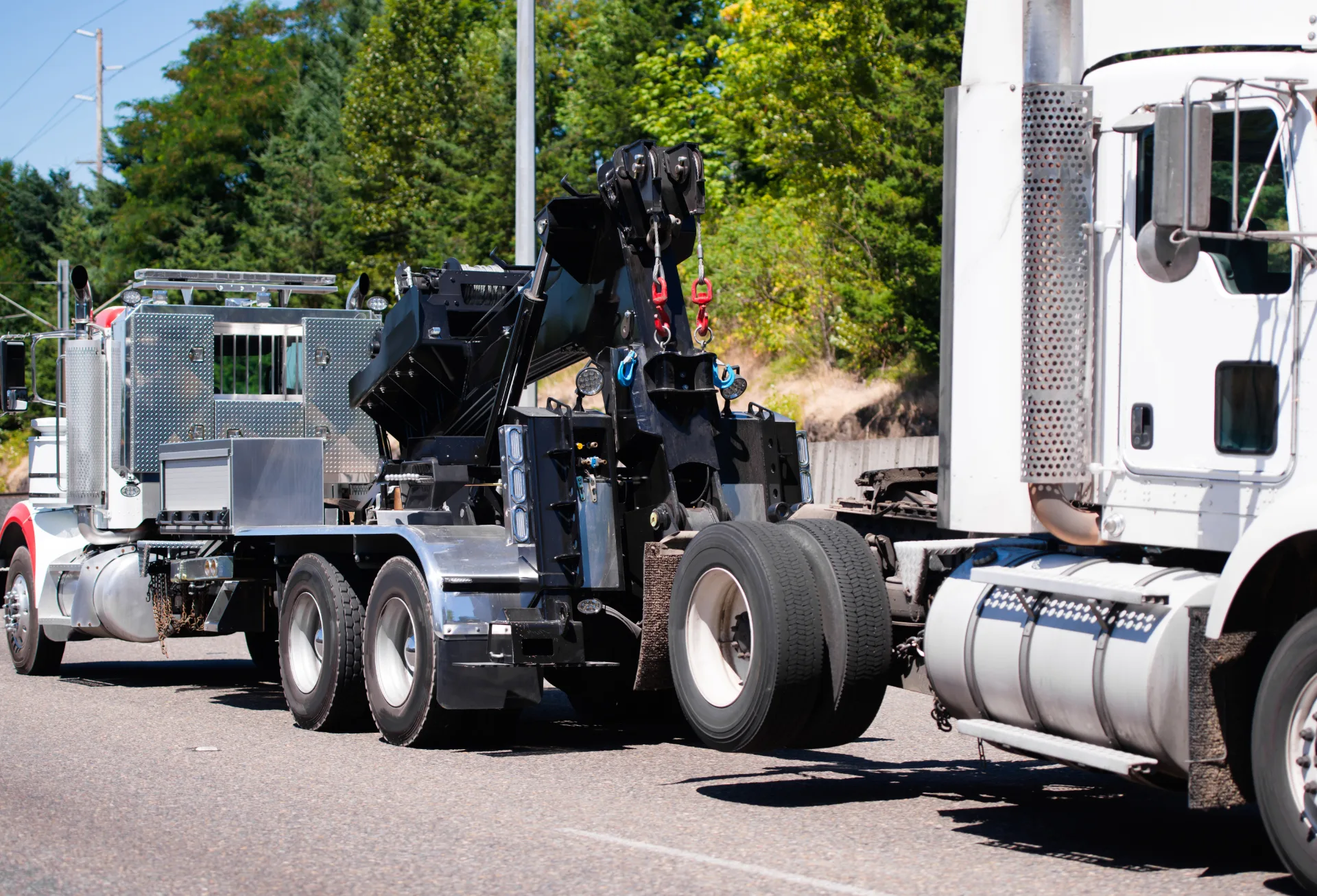
What Is a Semi-Truck Governor?
A semi-truck speed governor is an electronic device built into a commercial truck’s engine control unit (ECU) that limits the vehicle’s maximum speed by reducing engine power at a preset threshold. On Florida highways including I-75 and US-41 in Sarasota, speed-regulated trucks stop more reliably, reduce crash severity, and give drivers more time to respond to sudden traffic changes. When a carrier disables or ignores this system and a crash follows, that decision becomes evidence of negligence in a personal injury claim.
For example, if the limiter is programmed for 65 miles per hour, the truck cannot accelerate beyond that speed. This safeguard helps prevent high-speed crashes and gives drivers more time to react to sudden changes in traffic.
Contact us today at 941-559-4529 to discuss your case and learn how we can help you.
Key Takeaways
- A semi-truck speed governor is an ECU device that caps vehicle speed – typically between 60 and 68 mph – by reducing engine power at a preset threshold set by the carrier.
- In July 2025, the FMCSA withdrew its proposed national speed limiter mandate – but the absence of a federal rule does not remove a carrier’s common law duty of care under Florida negligence law.
- Disabling or tampering with a speed governor can constitute negligence per se under 49 CFR Part 393 and Florida Statute § 768.81, making the tampering itself evidence of fault in a personal injury claim.
- On I-75 and US-41 in Sarasota, speed-governed trucks are measurably safer because reduced stopping distances and steadier driving lower the risk of catastrophic crashes for all nearby vehicles.
- ECU and speed governor data is among the first evidence to secure after a crash – it shows the truck’s set speed, whether the system was active, and whether the carrier’s internal safety policy was followed.
- Greg Linehan Law investigates truck safety system data and speed regulator compliance to prove when a carrier’s failure to use or maintain these systems caused preventable harm to Sarasota victims.
Why Speed Regulators Are Essential for Safety
A fully loaded truck can weigh up to 80,000 pounds. At highway speeds, it takes much longer for a truck to stop than a passenger vehicle. Even small increases in speed dramatically extend stopping distance and magnify crash severity.
Truck speed limiters help reduce those risks by lowering the forces involved in a collision. They also encourage steadier driving, which improves fuel economy and reduces wear on brakes and tires. In Sarasota, where highways such as I-75 and U.S. 41 carry constant commercial traffic, speed-regulated trucks are crucial for protecting local drivers.
When companies install and maintain these systems correctly, they create safer conditions for everyone sharing the road.
Understanding Semi-Truck Governor Rules
The semi-truck governor rules differ depending on company policy and federal guidance.
In July 2025, the Federal Motor Carrier Safety Administration (FMCSA) officially withdrew the proposed semi speed limiter mandate that would have required speed limiters on nearly all heavy trucks. The absence of a federal mandate does not remove a carrier’s duty of care under Florida common law. If a Sarasota crash investigation shows that a truck was traveling above an internally set company limit or that a governor had been tampered with, that evidence can still support a negligence claim even without a federal violation.
Florida’s Department of Highway Safety and Motor Vehicles enforces inspections that check for equipment compliance. If a crash occurs and a carrier fails to properly maintain safety-critical systems, including speed limiters, that negligence can become evidence in a personal injury claim.
What Speed Are Semi-Trucks Governed At?
Many trucking companies program the speed governor for trucks between 60 and 68 miles per hour. The specific setting depends on the carrier’s internal policy, load type, and driving environment. Some fleets use adaptive systems that adjust speed based on terrain, weather, or congestion.
Even though there is no universal legal speed cap, consistent limitations help minimize high-speed crashes on Florida’s busiest routes. Knowing these details can be critical when determining whether a truck was operating safely before an accident.
Is Removing a Speed Governor Illegal?
Disabling or tampering with a speed-limiting device may violate equipment maintenance or safety regulations. Drivers or carriers who remove a limiter may face fines, license suspension, or legal penalties. More importantly, if a crash occurs, removing the device can make the company liable for damages.
During an investigation, a Sarasota trucking accident attorney will request engine control data to confirm whether the semi-truck governor was active at the time of the crash and whether the carrier’s internal speed policy was followed. Evidence of tampering can strengthen a victim’s claim by showing that preventable actions led to the crash. Removing or ignoring these systems places everyone on the road at risk.
Why Speed Governors Matter in Florida Truck Crashes
Florida consistently ranks among the states with the most trucking collisions. Sarasota’s mix of freight traffic, tourist drivers, and coastal weather conditions makes local roads especially challenging. Speed-limiting systems help reduce these dangers by helping trucks move at controlled, predictable speeds.
When a carrier fails to maintain or deliberately disables a speed governor on a truck operating on Sarasota-area roads, that failure can constitute negligence per se under Florida law if it violates applicable FMCSA equipment standards under 49 CFR Part 393. Florida’s comparative fault statute (Fla. Stat. § 768.81) means establishing that the carrier breached its duty of care through equipment tampering or policy failures directly affects how much compensation an injured victim can recover. ECU data extracted during litigation shows the governor’s set speed and whether it was active at the time of the crash – making that data one of the first things an experienced Sarasota truck accident attorney should preserve.
What to Do After a Truck Crash in Sarasota
The steps you take immediately after a Sarasota commercial truck crash directly affect both your medical recovery and the strength of your legal claim. Acting quickly preserves the ECU data, speed governor records, and crash scene evidence that determine liability.
Here’s what to do:
- Seek immediate medical care. Some injuries develop slowly, so early treatment helps protect your health and your legal case.
- Call law enforcement. Request an official crash report documenting the truck’s information.
- Preserve evidence. Take photos, gather witness details, and note road or weather conditions.
- Avoid recorded statements. Do not discuss the crash with insurance representatives until you consult an attorney.
- Contact Greg Linehan Law. Our team investigates truck safety systems, including truck speed limiters, and works to prove when a company’s failure to use them caused preventable harm.
These actions help build your case on a foundation of strong evidence and clear documentation.
After completing these steps, you can focus on medical care and family while we manage communication with insurance companies and defense counsel.
How Greg Linehan Law Helps Sarasota Victims
If a speeding truck caused your injuries, you deserve representation from a firm that understands both Florida law and complex trucking regulations. Greg Linehan Law combines nearly 30 years of personal injury experience with local insight into Sarasota’s roadways and courts. We examine vehicle data, maintenance records, and company safety practices to uncover the truth behind your crash.
Schedule your free case review today. We will help you pursue fair compensation, hold negligent trucking companies accountable, and move forward with confidence.
Frequently Asked Questions
What Is a Governor in a Semi-Truck?
A governor is an electronic control system that limits how fast a truck can travel by reducing engine power once it reaches a preset speed.
What Speed Are Semi-Trucks Governed At?
Most carriers set governors between 60 and 68 mph, though settings vary depending on policy and road conditions.
Is Removing a Speed Governor Illegal?
Yes, in many cases, tampering with a limiter can violate safety regulations and may be used as proof of negligence in a crash investigation.